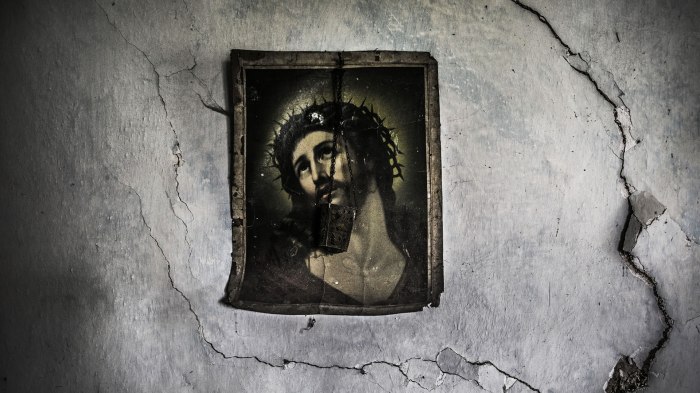
Jesus left the synagogue and went home with Simon and Andrew, bringing James and John along, too. Unlike the religious leaders of his day, who stayed in synagogues and temples, Jesus went to the simple homes of ordinary people. If you lived in that time and place and asked Jesus to come to your home, he would have done so, no matter who you were, how little you’d accomplished, or the mistakes you’d made.
Simon’s mother-in-law was sick, so they told Jesus about her. Jesus went to her room, took her by the hand, lifted her up, and the fever left her. The word about this miraculous healing somehow got out and soon there were many people at the door asking for Jesus. “And he healed many who were sick with various diseases, and cast out many demons” (34). Jesus was the essential worker of his day.
For the past few months, our country has been shut down because of COVID-19 restrictions. As you know, most have stay-at-home orders from their governor. If your business is not essential, then it cannot be in operation. If you’ve been exposed to the coronavirus, then you must isolate yourself for fourteen days. We have to wear facemasks, abide by social distancing rules, stop going to church, and so forth. We won’t bore you with the rules you already know. But what you might not know is laws like these are nothing new.
For the people of Israel, there were many similar rules. However, their rules differed from ours in three general ways. First, their rules were not temporary, but permanent. Second, their rules did not originate from fallible, elected governors, but from God himself. Third, breaking their laws had much greater consequences, including death. You can learn these laws, if you’re curious, by reading the book of Leviticus. There are 613 laws Israel had to obey, or else. Many of these laws had to do with ritual purity, or what to do if you came into contact with various diseases and evil spirits.
Imagine Jesus going home with Simon and Andrew, entering the house of a diseased woman! Right away, according to the law, Jesus had become ritually unclean. The Son of God became impure for us!
There he is, placing his holy hands on sick and sweaty bodies, making them well. He’s bent down over people on dirty mats, placing his body against theirs. He has his fingers and palms in their wounds. He places his lips on theirs. He rubs infected skin. He traces swollen gums with his knuckles. He spits on his hands and massages it into their eyes and ears to bring sight and hearing. He does this, again and again and again, until everyone who had come to the door gets some of Jesus rubbed off onto them and can leave having been made whole again.
No religious leader or physician had ever tried a stunt like this before. Jesus is the Essential Worker. As we’ll discover in the Gospel of Mark, he heals, feeds, provides income, stimulates businesses, cares for the dead, visits the elderly, reaches out to the homeless, challenges the government, and brings “church” right to your door. He never wears a mask, he never follows social distancing laws, he doesn’t stay at home, and he keeps on working, day after day, night after night, until the only way to stop him is to kill him.
The writer Mark would later include these words from Jesus, “For even the Son of Man came not to be served but to serve, and to give his life as a ransom for many” (Mark 10:45).
Did you notice the time of day people brought the sick to Jesus? “That evening at sundown they brought to him all who were sick or oppressed by demons” (Mark 1:32). Notice the repetition of the time of day. It not only says, “that evening,” but also it adds, “at sundown.” The repetition is for emphasis, but why? The types of people who came to see Jesus were not the types who were supposed to be out in public. They were diseased and demon possessed. They had to sneak into town to find Jesus under cover of night. To go out was illegal. But, as they would soon find out, when it’s late and nobody else will see you, Jesus is there for you.
What would you risk in order to see Jesus? When no one else is willing to take you in, Jesus will. When no one else will listen to your story or hear your cries, Jesus will. When no one else will get close to you or your wounds, whether physical or emotional, Jesus will. Whether you’re on house arrest or home restriction, he is your Essential Worker and he never stops laboring for you. “But Jesus answered them, ‘My Father is working until now, and I am working’” (John 5:17).
This story captures the heart of Jesus for our broken world and how he started to make things right. One day, his work will finally be done, but until then, you’ll find him in ordinary homes throughout the world, ministering to mother-in-laws and doing what nobody else is willing to do for you.
Without Jesus, there would be nobody to pay the penalty for our sin, nobody to give us unconditional acceptance, nobody to give us a second chance, nobody to silence our demons at night, and nobody to grab our hand and lift us up on the last day.
Jesus is the Essential Worker.
And immediately he left the synagogue and entered the house of Simon and Andrew, with James and John. Now Simon’s mother-in-law lay ill with a fever, and immediately they told him about her. And he came and took her by the hand and lifted her up, and the fever left her, and she began to serve them. That evening at sundown they brought to him all who were sick or oppressed by demons. And the whole city was gathered together at the door. And he healed many who were sick with various diseases, and cast out many demons. And he would not permit the demons to speak, because they knew him. —Mark 1:29-34
The Breakdown
How is Jesus like us?
How is Jesus not like us?
If you had to come up with a definition for “love” based on this passage, what would it be?
Matt and Tim talked about identity in Episode 29, The Adorned Identity, so we thought we’d take a few minutes here to see what the Gospel of Mark has to say about the subject of identity. There are striking truths to learn from what we’ve covered so far in chapter one of Mark, but we’re going to concentrate on our most recent passage of Scripture, Mark 1:21-28, which is very important for understanding identity.
The Setting
There was a man with an unclean spirit in the synagogue the day Jesus showed up to teach. Because Jesus taught with authority, the unclean spirit in the man immediately recognized the Lord. Read these verses carefully, paying particular attention to the pronouns “he/him” and “us” and “I.”
“And immediately there was in their synagogue a man with an unclean spirit. And he cried out, ‘What have you to do with us, Jesus of Nazareth? Have you come to destroy us? I know who you are—Holy One of God.’ But Jesus rebuked him, saying, ‘Be silent, and come out of him!” And the unclean spirit, convulsing him and crying out with a loud voice, came out of him.”
He and Us
The Bible states he was “a man with an unclean spirit” (23). There was a difference between this man and the thing that afflicted him. He was a man and the unclean spirit was withhim. He was not his problem, in other words. This is a crucial observation when it comes to discussing our identity: you are not the thing that afflicts you, though it may be with you.
However, the unclean spirit wants you to believe that you are your problem. The demonic spirit wants you to make the affliction your identity. Can you see how the demonic spirit does this? Look at the pronouns (thank God for grammar!). There was a man in the synagogue with an unclean spirit, and “he cried out.” Who cried out? The unclean spirit is doing the talking here. The unclean spirit (he) cried out, “What have you to do with us?” Did you notice the switch in pronouns? The unclean spirit turned “he” into “us,” as if the man were one with the thing that afflicted him.
That’s what demons always want! They always want you to lose your identity as a unique individual and become a generic “us,” in which you can’t think of yourself apart from your problem. They want you to merge your identity with them.
The unclean spirit continued, “Have you come to destroy us?” Again, the unclean spirit, using the voice of the man to speak, wanted the man to think Jesus would destroy him (the man) along with the demon. The demon wanted the man to fear Jesus had come to destroy him, because, after all, the man had an unclean spirit. But Jesus didn’t play along, for Jesus did not come to destroy sinners, but save them. Jesus knew the sinful man was not the same as his demonic problem. Jesus knew the identity of the man and the identity of the demon with him.
Jesus Doesn’t Fall for It
Did you notice the demon let down his guard when he switched pronouns again? The demon said, “I know who you are” (24). By switching to “I,” the demon showed it was really the demon doing the talking, rather than the man. So, Jesus spoke directly to the demon, rather than to the man, when he said next, “But Jesus rebuked him [the demon], saying, ‘Be silent, and come out of him [the man]!’” Jesus rebuked the demon, not the man. Even though the demon tried to merge the identity of the man with itself, as indicated by the pronoun “us,” Jesus knew the true identity of the man.
After convulsing the man and crying out some more, the demon came out of him (26). Jesus was able to separate the unclean spirit from the man, releasing the man from the demonic spirit that wished to absorb the man into his problem. Surely this is an appropriate way of understanding being absorbed by issues in life!
Unclean Means Rejected
What exactly is an unclean spirit, you ask? The word “unclean” reminds us of the laws in the Old Testament, concerning clean and unclean things. Clean things were acceptable and unclean things were not acceptable. The unclean things somehow made a person unacceptable before God in worship, so they were forbidden. For our purposes in Mark 2, an unclean spirit is an “unacceptable” spirit, which tries to separate you from God. It plays on your mind, emotions, and experiences. It’s goal is to get you to think you could never be accepted by God. It’s goal is for you to absorb rejection into the core of your identity, so you become that which afflicts you. And it’s goal is to get you to believe God wants to reject and destroy you. How does it do this? Again, by merging your identity with it, going from “he/she” to “us.”
The Formula
Thus, the simple formula of the demon goes something like this:
But, as you can see, it doesn’t take a math wizard to notice demons are bad at arithmetic! Because, I+R never equals RI. Remember our man from the story; he was an individual (I) with (+) and unclean spirit (R). But that doesn’t mean he was a rejected individual (RI), for Jesus accepted him and got rid of the thing afflicting him. Jesus never thinks of you as a problem; but, he knows you have some problems he can fix.
How It Looks in Our Lives
However, we human beings believe in the devil’s math every day of our lives. Here are ten examples of how this plays out in our lives.
Your parents failed to show you love, so you believe you’re not worthy of love. “I am unlovable” is your identity.
Your friend is mad at you, so you believe something is wrong with you. “I’m a bad friend” is your identity.
You fail to get good grades or a good job. “I’m a loser” is your identity.
You struggle to overcome a sin or addiction. “I’m unforgivable” is your identity.
You’re not in a relationship, so you think you’re unattractive. “I’m pathetic” is your identity.
You struggle with a physical or mental affliction, so you think, “I’m inferior to everyone else.”
Your mom was always angry, so you think, “I’m a problem.”
Your dad was always uninvolved, so you think, “I’m not worth pursuing.”
Your neighbor abused you, so you think, “I’m guilty.”
Bad things keep happening to you, so you think, “I’m cursed by God.”
Can you see the devil’s math, turning you into the thing that afflicts you? I+R=RI. The unclean spirits that afflict us cause us to be unable to separate ourselves from what the world around us says about us. “Me” is turned to “We.” Your life is absorbed into the trauma of life around you, so that you become, by some magical force of the universe, a problem to be erased. “Have you come to destroy us?” (24).
Gollum’s Voice
But you are not the environment you grew up in or the hardships that afflict you or the ways you’ve failed. You are not even the good things you manage to do. Your identity is still you, not “them.” You don’t have to sulk around like Gollum from Lord of the Rings, referring to yourself and your rejection in the first person plural, “we.”
Just like the unclean spirit used the man to give it a voice, so do our afflictions wish to use us to give them a human voice. Our afflictions wish to speak louder than our individual identity.
Archie Williams on AGT
I just saw an incredible story of a man who refused to let his demons steal his voice, taking ownership of his identity. On America’s Got Talent last night, Archie Williams shared his tragic story of being wrongfully accused of a crime. He spent 37 years of a lifetime sentence in bloody Angola prison, before DNA proved his innocence and he was released. Speaking of his story prior to singing on AGT, Williams said, “Freedom is of the mind; I went to prison, but I never let my mind go to prison.” Can you see how he fought against the devil’s math? The devil wanted him to believe he was cursed or shameful or unloved or rejected, just because of his affliction, but Archie Williams wouldn’t let the devil absorb his true identity. He wouldn’t let his “me” become a “we” with his experience of rejection. Somehow, he maintained his true identity.
The devil consumes our liberty by assuming our identity.
Our Deepest Identity
In reality, you are an individual with an affliction that God can heal in this life or the next. There’s another place in Mark 1 that speaks powerfully of our identity. It’s Mark 1:11 at the baptism of Jesus. When an unclean spirit is trying to take control of your voice, remember another Voice. The Voice from heaven said, “You are my beloved.” True, the Father first said these words to Jesus, for he was God’s Beloved. However, this identity does not just belong to Jesus, but it can belong to us all. Those who put their faith in Jesus become the beloved children of God. You are not the object of God’s condemnation, but of his love. While the devil tries to steal your identity and absorb it into that which afflicts you, God rescues it, embraces it, and loves it. The devil wants only to steal, kill, and destroy (John 10:10), but God wants to heal, fill, and enjoy.
God still wants us to take ownership of our afflictions, as we’ve seen so far in Mark, through confession and repentance, but he does not want our afflictions to take ownership of us!
You can tell you’re believing the devil’s math when you start thinking of yourself in terms of your affliction or when you think God wants to destroy you because of your affliction.
“Cast all your burdens on him, because he cares for you” (1 Peter 5:7). You are not your affliction, for you can separate yourself from it and give it to God. When you look in the mirror, you are looking at the face of God’s beloved. That’s who you are.
The Breakdown
What are some of the things afflicting your life right now (whether caused by you or someone else)? Write them down, be thorough. Ask God to help you name them.
Because of these various forms of rejection, how has your sense of identity been affected? What names do you call yourself when nobody is listening? How about when people are listening.
On a piece of paper, write down the heading “I am God’s beloved.” Then below it, write down at least 10 implications of this truth. If you have trouble thinking of them, then ask for some guidance on our Holy Ghost Notes Facebook Group page.
How long had the demon-possessed man been in the synagogue before anyone noticed him? Years? Decades? He had probably been there a long time, but nobody knew he had a demon. Then “immediately” (there’s Mark’s favorite word again!), Jesus went into the synagogue, which was like a church, and began to teach. Jesus taught like none other.
Everyone was astonished, because he taught with authority, unlike the other teachers. Almost instantaneously, as soon as the man with the unclean spirit heard the teaching of Jesus, the demon surfaced. It cried out, “What have you to do with us, Jesus of Nazareth? Have you come to destroy us?” (1:24). The demon was threatened by the authoritative teaching of Jesus.
Then the demon-possessed man made the first public declaration of the true identity of Jesus, saying, “I know who you are—the Holy One of God.” This declaration came from a demon-possessed man, rather than a disciple or religious leader! How did Jesus respond? “But Jesus rebuked him” (1:25). Jesus commanded the unclean spirit to exit the man, which it did, convulsing him one last time. Everyone was amazed, saying, ‘What is this? A new teaching with authority! He commands even the unclean spirits, and they obey him.’” (28). Put another way, it’s equally amazing that the unclean spirits did not obey the other religious teachers of the day!
Of Men and Mice
It’s like the mice in my shed. Since I don’t go into the shed during the long winter, it remains undisturbed. In the spring, I finally open the doors of the shed and expose the rodents living inside of it. As the light shines in for the first time in months, I’m able to see their nests, droppings, and terrified eyes! They immediately scurry out of sight, for they recognize me as an enormous enemy. I usually shout at them a few times, as if they understood English, “Get out of here, stupid mice!” before I begin to clean up the mess they left. Then my shed can begin to be used for what it was meant to be used for, rather than a Motel 6 for mice!
Again, how long had this man been sitting in the pews of the synagogue before Jesus showed up? The demons, like my mice, were quietly gnawing away at him, completely undisturbed. But before they could devour him altogether, Someone showed up who actually spoke the truth with authority. The kingdom of God arrived and the kingdom of his world shrieked and fled.
Powerless Churches
Have you ever heard anyone speak with authority? Maybe it made you want to get up and leave? Or you got scared? Or offended? I wonder how many people there are with unclean spirits in our churches, who remain completely undisturbed because nobody is teaching with authority? The antonym for authority is “powerlessness,” which makes one wonder about the teaching going on in our churches today.
If we want to see our inner demons surface and flee, then we have to expose ourselves to the authoritative word of God, not the powerless babbling we’re used to hearing.
“Authority Song”
What’s more important to you, the veracity of a teaching, or the authority of the person who speaks it? Don’t answer too quickly, because we’d like to believe we’re objective and are able to measure a teaching on its own merits; but, most often, we decide on a teaching before we even hear it, because of the trustworthiness of the speaker. Would you rather hear a confusing and difficult message, from someone you trusted completely, or hear a teaching that makes complete sense to you, but it comes from somebody you do not trust at all? Our present political climate should make this obvious. The media won’t agree with certain politicians, no matter what they say! The majority of the time, we listen to people we trust, who speak with authority, even if their messages don’t make complete sense to us yet. We tend not to listen to those we don’t trust.
Since Jesus spoke with authority, people trusted him and listened to what he said, even if they didn’t understand at first.
Disagree to Agree
Let’s face it, even though we tend to trust Jesus, he said some pretty crazy things! In fact, let’s be real here, we would be shocked if you agreed with everything Jesus said. We’ll go one step further, those who agree with everything Jesus said are completely out of touch with themselves. After all, some of his words were meant to offend. His words stir us up. His words shine a light into our hearts, causing all the rodents in there to scurry. He wasn’t always easy to listen to. He said some extreme things. He condemned really good people and he praised really bad people. Again, if you agree with everything Jesus said, then you’ve not been paying attention. He spoke not just to comfort the sinner, but to disturb the self-righteous. The words of Jesus are like the Ten Commandments, nobody measures up to them!
Expose Yourself
Regularly expose yourself to the teachings of Jesus, in order to get your inner demons to surface. You might not know they’re there, just like nobody knew about the undetectable demons of the man. In fact, the better the job the demons do, the less you’ll even notice them. It takes the word of Jesus to expose them.
And maybe this little devotional on Mark 1:21-28 is raising your ire, kindling some furry, because you don’t want to admit that you have demons or darkness or secret places or doubts. Maybe it’s exposing something you really need to see right now.
The most dangerous part about us is not our most wicked thought or disgraceful deed, but it is our unknown one.
Fully Known
“But,” you protest, “How can I ever know it, if it’s unknown? How can I ever be conscious of my unconsciousness?” That’s exactly why we need to expose ourselves to the words of Jesus, because they cause the unknown parts of us to reveal themselves. You might not know how to fix you, but Jesus does.
Has Jesus disturbed you? If not, don’t worry, he will! Don’t think you have any demons? Just spend some time with him and the demons will come shrieking out of you. We all have unclean spirits inside of us, hiding in the neglected corners of our being, the parts we don’t like to talk about.
Yes, Jesus is disturbing, but he has the authority to disturb you.
And they were astonished at his teaching, for he taught them as one who had authority, and not as the scribes. —Mark 1:22
The Breakdown
What stood out to you the most from Mark 1:21-28?
What are some of the teachings of Jesus you find difficult to agree with?
What are some ways you can expose yourself regularly to the word of God?
Are there areas in your life you haven’t addressed in a while? Spend some time in prayer, asking God’s Spirit to search your life and reveal the neglected parts. Then ask Jesus to teach you his word about these areas.
Josh grew up in a home with a mother who was often sick, so he had to act as a caretaker for his four siblings. Whenever he wanted to do something for himself, his parents would lay a guilt trip on him, asking him how he could be so insensitive when there was much to do and his mother was too sick to do it. As he thinks back to his childhood, the refrain in his head is, “My needs don’t matter.” As an adult, he continued to live out these words like a prescription, to the point where his lack of ability to care for himself cost him his job and friendships.
Ken’s father had a temper that was out of control. One year, when his Ken’s baseball team won second place in the State tournament, after the game, his father, “Wrapped the second place trophy around a telephone pole in front of all my friends,” as Ken put it. Because the team did not finish first, his dad smashed their prize. Ken vowed never to be angry like his dad. As an adult, Ken seems to be cool and calm, but he’s never figured out how to process all his emotions in a healthy way. He has addictions, instead. The message he hears in his head is, “Conflict and emotion are bad.” He struggles to be whole, rather than compartmentalized. He pretty much reacts the same way to good news or bad, making him seem robotic.
Maggie’s mom was an alcoholic, so Maggie had to take control of her family’s life. She constantly had to rescue her mom, care for her siblings, and be a support to her dad. As an adult, it’s hard for Maggie to accept when life gets out of control. She will become the hero once again and attempt to manage every aspect of life, but it’s exhausting and her whole family walks on eggshells. If they don’t do exactly what she wants, there’s hell to pay. Maggie lives by the unconscious voice in her head that says, “If I don’t have everything under control, then my family will be embarrassed and people will be hurt.”
How about one more?
Adam grew up in a Christian home. His church and family taught him a lot about “spiritual” matters, but they ignored talking about sex. By what they did not say, Adam gathered that sex was a shameful thing. Being sexual was something to hide from, as if it were “beneath” a good Christian. Even though his church taught sex was a gift from God, the way everyone tiptoed around it and failed to celebrate our physical, sexual nature, sent Adam a very different message. As an adult, he doesn’t know how to have a healthy and balanced sexual life; he tends to abstain as best he can, then when he can’t resist anymore, binges on sexual indulging.
Magical Thinking
What about you? What are the messages you learned as a child that you’re still living by today? We all have them. As a child, they were very useful; in fact, we needed them to survive. But now that we’ve grown, these statements don’t help us, but hinder us, keep us stuck. My needs don’t matter. My sexuality is something to be ashamed of. If I don’t have everything under control, then my family will be embarrassed and people will be hurt. Some others could be, “I can’t be vulnerable” or “I’ve got to be perfect” or “Kids get in the way.”
We continue to think these messages from our childhood will help solve our problems today. And when they don’t work, ironically, we keep trying them! This is called magical thinking. Somehow, magically, we think things will turn out differently this time. Instead of abandoning our magical thinking, we double-down and continue to trust it.
Follow Me
After Jesus ushers in the kingdom of God by proclaiming the gospel, he begins to take an ordinary walk along the Sea of Galilee (Mark 1:16). The sea often represents the soul of a person. Imagine Jesus, walking right alongside your soul. He usually doesn’t intrude, but he gets awfully close. As he walks, he woos. What does he say? Follow me!
“Passing alongside the Sea of Galilee, he saw Simon and Andrew the brother of Simon casting a net into the sea, for they were fishermen. And Jesus said to them, ‘Follow me, and I will make you become fishers of men.’ And immediately they left their nets and followed him.” (Mark 1:16-18).
Jesus sees the brothers, Simon and Andrew, and he commands them to follow him. They were fishing in a boat the moment he called them. When they heard Jesus’s invitation, they dropped their nets and came after him.
The same thing happened in the next story. “And going on a little farther, he saw James the son of Zebedee and John his brother, who were in their boat mending the nets. And immediately he called them, and they left their father Zebedee in the boat with the hired servants and followed him.” (Mark 1:19-20). Jesus found two more brothers, who were mending their nets in the boat next to their dad. But they didn’t hesitate to leave him and follow Jesus.
Immediately
Perhaps the most intoxicating word in these true accounts is “immediately” (verses 18 and 20). We’ve already seen this word twice so far in Mark 1:1-15. The Holy Spirit descended on Jesus immediately when he was baptized (1:10); the Spirit immediately drove Jesus out into the wilderness (1:12). The writer Mark loves to use the word “immediately,” it appears about 40 times in his account! What is the significance?
Let’s think of the word “immediately” as the ticket out of magical thinking, and the portal to something new. It’s for those who finally wake up and accept the fact that what they are doing is not working. The brothers in the boat immediately followed the call of God. Think of all they left behind! They left their jobs, family, security, and reputations in that boat. I’m sure they could hear the voice of their father calling to them as they left, commanding them with the old family cliches to get back into the boat. But they dropped their nets and followed the Voice.
(Safety) Net
How about you? What is your (safety) net? You’re not holding onto a fishing net, but you are still clinging to other things that make you feel secure. Maybe your safety net is magical thinking. But you’re only avoiding taking the call of Jesus seriously. You think the old family ways in the boat are better. You don’t trust the rabbi walking along the edge of your soul, peering down into it like a concerned physician.
We hold onto and continue to mend the old fishing nets, giving them yet another tired try, fishing nets such as self-pity, resentment, alcohol, reputation, career, anger, control. We feel safe with these. Yet nothing changes, because it’s all been magical thinking. We keep lingering, not realizing the power and potential of “immediately.”
The Voice
We wish to hold onto our old world, but get new results, but that’s madness. The only way to get new results is to follow the voice of Jesus, who wants to woo you out of the old boat. Most people live life responding to the demands of the world. We act like rats in a maze, going for the next bit of cheese the world leaves for us. Our motivation is “what is the world demanding of me next?” A degree, better car, bigger house, better job, family, and so forth.
But there are some who dare to get out of the boat in order to find out what God and their soul are up to.
Fishers of Men
Do you know why Jesus told the brothers he’d make them “fishers of men”? Because Jesus knew there was another fisherman out on the lake, an evil one, who wanted to destroy people. The enemy wants to catch souls, cut them, char them, and then consume them. But Jesus calls others out into the world to catch people first, before the enemy can get them into his net.
When they woke up that morning, the disciples thought they would only ever be fisherman, just like their fathers. Religious work was exclusively for special members of society, who were a part of elite groups called Pharisees, Sadducees, Essenes, and Zealots. Simon, Andrew, James, and John would spend most of their lives on a boat, doing what was handed to them by their ancestors. But Jesus thought they would make great ‘fishers of men,’ so he called them out of their boats into the great drama of redemption, in order to fish people out of the enemy’s nets of destruction.
When we follow the voice of Jesus, rather than the voices that haunt us, we enter into a larger life. “Living Large” is about discerning the lies that have been keeping you small and following the voice of Jesus to the truest and most useful version of yourself. The voice of Jesus will tell us that our needs matter, that our sexuality is very important to him, that we can make mistakes and don’t have to have everything under control, that we can show our emotions as whole human beings, and that we can serve him wherever we are in life. If you start to listen to the voice of Jesus, your life will start to get larger, immediately.
It may seem scary, but nothing meaningful is safe.
The Breakdown
What are some voices of the past that are still speaking to you today? Are they holding you back? What are they saying?
If Jesus were to speak directly to your soul, what would he tell it?
What do people expect of you? What safety nets do you cling to today?
How can you “live large” today? (Remember, you only need to take small steps in being honest with yourself and following Jesus).
In the last devotional, we learned the arrival of Jesus (and the exit of John the Baptist) meant the transition of one age to the next. The former age of the law became the present age of grace, also called the kingdom of God. Today, we’re going to learn more about the kingdom of God from Mark 1:14-15. We’ll examine the kingdom of God through the five W’s (and one H), Who, What, When, Where, Why, and How. We can’t wait for you to learn more with us about the kingdom of God! We hope you will be blown away by what you discover within you!
Who?
Who gets to be in the kingdom of God? Is the kingdom of God reserved only for angels, spirits, fat cherubs, and the Almighty? Or do only pastors and priests get to be in the kingdom of God? Absolutely not! The kingdom of God is for greasy swindlers and the unwashed rabble. It’s for the misfits and malcontents.
When Jesus spoke these words, “The time is fulfilled, and the kingdom of God is at hand; repent and believe in the gospel” (Mark 1:15),he was speaking to those who only had one thing to offer, their sins. He was speaking to those who responded to the call of John the Baptist to confess their sins and repent. These were not holy people, not even close. They were self-declared sinners.
Most are too embarrassed of the implications of this truth, for they know it means the kingdom of God is for pimps, pedofiles, prostitutes, and prisoners. This is truly amazing! If you were a king, and could have any kingdom you wanted, which citizens would you choose to be in it? Would you choose you?
One more thing, it’s not just that the kingdom of God is for sinners, but it is also that sinners are the kingdom of God! Revelation 1:6 says that God made us sinners into a kingdom. “To him who loves us and has freed us from our sins by his blood and made us a kingdom…” The kingdom of God is a ruined and redeemed people, who contribute their sins and collect his grace.
What?
What is the kingdom of God? The kingdom of God is not something made up of bricks and mortar. Fundamentally, the kingdom of God is a relationship between an individual and God. The kingdom of God is a sinner’s submission to Jesus Christ as his or her King. It’s the relationship of Creator and creature. However, the kingdom of God is not the relationship itself, but, more accurately, it is the relating.
What do we mean by this? It helps to think of the kingdom of God not as a noun, but as a verb. It’s the relating of the relationship between you and God. It’s the sparks, the fire. You see, it’s not stagnant, like a noun, but it’s living and active. It’s growing and expanding, getting higher, wider, longer, and deeper.
Just think of some of the parables Jesus told about the kingdom of God. The kingdom of God is like a farmer who went out to sow; the kingdom of God is like a mustard seed that a man planted in a field; it’s like yeast a woman took and mixed in her dough; it’s like a treasure hidden in a field that a man found; it’s like a net that was let down in the water to catch fish; and it’s like a merchant in search of fine pearls.
Can you see the pattern? The kingdom of God is action, a verb! The kingdom of God is not the stuffy, old home you inherit from your granddaddy that reeks of cat urine and mildew. It’s not a thing, but a movement. Again, it’s not just the relationship between you and God, but it’s the relating. Why is this so important? Because the kingdom of God within you is dynamic, it can grow and shrink. In other words, it’s not something you inherit from your parents, culture, or church, but it’s a relationship you must pursue and fan. It’s not a relationship to settle for.
The formula is simple, God pursues you and you pursue God, like two wild lovers, like the ones we read about in the erotic book of the Bible called Song of Solomon. Even the Lord’s prayer demonstrates the verbal action of the kingdom of God, “Your kingdom come, your will be done.” Do you see? When you pray for God’s kingdom, you pray for it to come, advance, and threaten your so-called sovereignty at every moment. The kingdom of God is the reality of the relationship between you and God that forcibly seeks to express itself through you (yes, sinful you!), into the world, every day of your life, especially the lousy ones. “From the days of John the Baptist until now the kingdom of heaven has suffered violence, and the violent take it by force” (Matthew 11:12).
When?
When does the kingdom of God happen? By now, you’ve probably realized the kingdom of God, which is also called the kingdom of heaven, does not happen just in the future, but it is happening now. Actually, as we learned in our last devotional, the kingdom of God began with the arrival of Jesus Christ in this world. Remember, Jesus clearly said, “The time is fulfilled, and the kingdom of God is at hand” (Mark 1:15). Put another way, the kingdom of God is right at your fingertips. The past age of the law has given way to the present age of grace. One day in the future, this present age of grace will give way to the new heaven on earth, which we commonly think of simply as “heaven.”
Again, the implications of this reality are colossal. If the kingdom of God is happening right now, then there’s no time to lose. You must take responsibility for your life today, because you don’t know what the next moment will bring. You must stop being the pawn of others, pushed around or silenced. You must let the kingdom of God within you erupt around you. If you’re waiting for a time when “more of God” will show up, then you are deceived. You have all the God you need right now. You have enough kingdom of God within you right now to deal with sin, impact your community, fight the devil, and strengthen your relationships.
The writer Mark chose his words very carefully when he recorded, “Jesus came into Galilee, proclaiming the gospel of God, and saying, ‘The time is fulfilled, and the kingdom of God is at hand’” (Mark 1:14-15). When Jesus proclaimed the gospel, the kingdom of God arrived. And this formula is not just true of Jesus, but of all citizens of the kingdom of God. Whenever you proclaim the gospel, the kingdom of God shows up. The more good news of Jesus you share, the more life the kingdom of God will take over. The more you show and share the love of Christ, the sooner the kingdom of God will come in full.
Yes, it’s happening right now! God looks into your searching eyes and tells you to forget the mistakes of the past and stop fearing the future, for the kingdom of God is yours to live in and enjoy right now.
Where?
Where is the kingdom of God? Jesus said, “The kingdom of God is at hand,” which not only shows the timing, but also the location. The kingdom of God is near both in time and space. Where is it? It’s wherever you are. Jesus boldly said, “The kingdom of God does not come with observation; nor will they say, ‘See here!’ or ‘See there!’ For indeed, the kingdom of God is within you.” (Luke 17:20-21, NKJV). Allow those words to settle in your soul for a moment. The religious leaders of Jesus’s day wanted to know where the kingdom of God was, probably so they could manipulate it, but Jesus refuses to give them something they could twist for their own purposes. Instead, Jesus tells them the kingdom of God is within each believer.
Again, the kingdom is not a noun (person, place, or thing) with an address, but it’s an action with an actor, which is you! Have you ever felt as if you were living too small a life? Have you ever felt something stirring within you, which you couldn’t quite label, but you knew it wanted out? Most people walk around in shoes that are too small for them, if you know what I mean. Most don’t realize the enormous capacity of their souls, big enough to enclose the kingdom of God! Yet, we continue to feed our souls the breadcrumbs of the kingdoms of this world, when they were meant for the feast at the table of the kingdom of God. What is the kingdom of God within you demanding of you right now? It is only as large in you as the decisions you entrust to it.
Why?
Why the kingdom of God? Why does the kingdom of God exist how it is today? Why is it here? Why is it now? Why is it in our tired, broken world, rather than in some other kind of shiny, fixed one? To put it simply, it’s because of you. You are the “Why.” To see what we mean, read these two short stories (parables) Jesus told about the kingdom of God in Matthew 14:44-46:
“The kingdom of heaven is like a treasure hidden in a field, which a man found and covered up. Then in his joy he goes and sells all that he has and buys that field. Again, the kingdom of heaven is like a merchant in search of fine pearls, who on finding one pearl of great value, went and sold all that he had and bought it.”
Most likely, when you read those parables, you put yourself as the subject of the action. Most of the time, this is how these two parables are taught to us. We’re told something like, “The kingdom of God is worth so much, so you better be willing to sell everything you’ve got in order to get it…Do whatever it takes to make it yours!” However, there’s another, much better, way to understand Jesus’s two parables. After all, as we learned above, if the kingdom of God is within you and if you are the “who” of the kingdom of God, then why would you need to go searching for you? That makes no logical sense! Instead, the “man” in these parables is Jesus, not you. And, guess what he’s searching for? He’s searching for you. Here are the parables again, but with some clarifications added:
“The kingdom of heaven is like a treasure [YOU!] hidden in a field, which a man [JESUS] found and covered up. Then in his joy [HEBREWS 12:2] he goes and sells all that he has [ON THE CROSS] and buys that field [IN REDEMPTION]. Again, the kingdom of heaven is like a merchant [JESUS] in search of fine pearls [FALLEN HUMANS], who on finding one pearl of great value [YOU!], went and sold all that he had [ON THE CROSS] and bought it [WITH HIS LIFE].”
Amazing, isn’t it! Can you see? You are the treasure; and you are the pearl of great price. Jesus is the man who sold everything he had to purchase you. Jesus is the merchant who sold all he had to buy a pearl such as you. Why? For the joy of finding you! You are the reason for the kingdom of God. “Worthy are you…for you were slain, and by your blood you ransomed people for God from every tribe and language and people and nation” (Revelation 5:9).
How?
Finally, how does the kingdom of God begin in your life? If the kingdom of God is to be understood as a verb, the action of God relating to you and you relating to God, then Jesus gives us two verbs, perhaps the greatest two verbs in the Bible, repent and believe, with which we are to make it ours. Jesus said in Mark 1:15, “repent and believe in the gospel.” So what do we need to repent of? And what do we need to believe?
You need to repent of your self-righteousness. According to Wikipedia, “Self-righteousness is a feeling or display of moral superiority derived from a sense that one’s beliefs, actions, or affiliations are of greater virtue than those of the average person. Self-righteous individuals are often intolerant of the opinions and behaviors of others.” This may surprise you, but, in a manner of speaking, it’s not really your sins that condemn you, but it’s your self-righteousness. Do you know how you can tell if you’re self-righteous? You won’t embrace your flaws, or those of others. You won’t be kind to your faults. You won’t accept your failure. You always play it safe. You can’t let go of your missed opportunities. For some reason, you act more like a god than a normal human being. Normal humans fail, but you refuse to accept that reality. Jesus calls us to repent of our self-righteousness, so that we might depend on his righteousness, which he freely gives to us by faith. The proof you’ve accepted Christ’s righteousness is that you’ve repented of your self-righteousness and accepted your sinful humanity, warts and all. Remember, your sins don’t prohibit the kingdom of God from growing in you, but your self-righteousness does.
What do we need to believe? Of all the doctrines of the faith, there’s one that’s most important for you to believe in. When Jesus called us to repent and believe, he called us to believe in the love of God. You must believe God loves you. The gospel is Christ’s righteousness and love given freely to you. God is our heavenly Father, whose heart breaks when his children believe he does not love them. The first thing you must know about the kingdom of God is that it’s a world of his love for you. His love is behind every stone and in every gust of air in the kingdom of God. You’ll never be able to repent until you believe in God’s love for you. You’ll never be able to change, accept yourself, move forward, have hope, or find joy, apart from the love of God. Sin entered this world, not because Adam and Eve did something wrong, but because they doubted God’s love for them. Think about it. If you have trouble seeing the love of God in your life, then look at the cross of Jesus Christ. “God shows his love for us in that while we were still sinners, Christ died for us” (Romans 5:8).
There’s a connection between repenting of self-righteousness and believing in God’s love, and it is this. As you acknowledge and accept your shortcomings and sins, your knowledge of God’s love for you will increase; however, if you hold onto your self-righteousness, then the knowledge of God’s love for you will diminish. Those who truly realize the greatness of God’s love for them are those who do not depend on their self-righteousness.
The kingdom of God is the doing of the relationship between Creator and creature in the present world that begins within every person who repents of self-righteousness and believes in the love of God in Christ for him or her.
Now after John was arrested, Jesus came into Galilee, proclaiming the gospel of God, and saying, “The time is fulfilled, and the kingdom of God is at hand; repent and believe in the gospel.” —Mark 1:14-15
The Breakdown
When you think of the kingdom of God as a verb, rather than a noun, how is your relationship with God affected?
Who is it hardest for you to accept? Why?
In what areas of your life do you need to take more responsibility? Why is it a struggle? Are there fears? What is the kingdom of God within you asking of you?
Spend two minutes thinking of the ways God has loved you into being (include all the people, events, opportunities, obstacles, and gifts he has put in your life).
People today are talking about the world coming to an end. Yes, there’s a worldwide pandemic, but is it a sign of the end? We’ve got news for you, in a manner of speaking, the world has already come to an end once. That’s what our passage is about today: the transition of one age to the next, the previous world to the present. We’ll end our devotional today by looking at some ways to determine which age you’re really living in.
The End of the Old Age
“Now after John was arrested, Jesus came into Galilee, proclaiming the gospel of God, and saying, ‘The time is fulfilled, and the kingdom of God is at hand…’” (Mark 1:14-15a). There’s quite a bit going on here, so are you ready to dig in? Let’s go for it! First, remember what we learned in our last study of Mark 1:12-13, The Outsider. We learned how Jesus rebuilt the human race by becoming the Second Adam. Jesus went back to ground zero and reenacted the drama of the Garden of Eden, only this time he got it right. Where Adam failed in paradise, Jesus prevailed in the wilderness. Not only did Jesus defeat the devil, but also he became a fully righteous human being. By doing this, Jesus ushered in a new age, the age of the faithful second Adam. This means Jesus is the first person of the new age. The age of Adam ends and Jesus brings in the age of the kingdom of God. If this is the case, then John the Baptist is the last person of the first age of Adam. That’s why Mark mentions John’s arrest. John the Baptizer is about to be beheaded, bringing the first age of Adam to a bloody curtain call.
Elsewhere, Jesus makes a stunning comment about John, which makes sense if John is the last person of the first age. Jesus said of John, “Truly, I say to you, among those born of women there has arisen no one greater than John the Baptist. Yet the one who is least in the kingdom of heaven is greater than he.” (Matthew 11:11). Note, although John is the greatest person in the first age, even the lowest person in the next age (called either the “kingdom of heaven” or its synonymous phrase “kingdom of God”), is greater than John.
To summarize, there are two ages, the age of the first Adam and the age of the second Adam; John ends the first and Jesus begins the second.
The Two Barrels
Next, take note of the curious way Jesus speaks of time. Jesus said, “The time is fulfilled” (14). The Greek word behind “time,” kairos, can also mean “age.” As for the word “fulfilled,” imagine an enormous oak barrel being filled up with water, drop by drop. This barrel is the first age. At last, the final drop falls into the barrel, filling it to the brim. This last drop in the “First Adam” barrel was John the Baptist. John’s arrest and death, “fulfilled” the first barrel, or age. In turn, Jesus is the first drop in the second barrel, or age. The second barrel, as mentioned, is called the kingdom of God. Ever since Jesus, drop by drop, the kingdom of God barrel is being filled-full, or fulfilled. What happens when the second barrel is filled (which is the one we are living in right now)? Then there will be a new heaven on a new earth, where all people and creatures dwell immediately in the presence of God. How do we get there? This is what Jesus begins to do in Mark 1:14-15. Here’s a chart to help you sort things out:
Barrel 1
Barrel 2
(Barrel 3)*
Age of first Adam
Age of Second Adam (Jesus)
John the Baptist is last person
Jesus is the first person
Former age
Kingdom of God or heaven (began with Jesus and continues to the present)
(New Heaven and Earth)
John the Baptist is the greatest person
The lowest person is greater than John the Baptist
Law
Gospel
*for a later discussion
Jesus Takes the Baton
John the Baptizer was the great disturber of his age, which is why he was put to death. He hated hypocrites and called all people, high or low, to confess the truth about themselves, as we discovered. So, put yourself in Jesus’s shoes, as the first person of the new age, what do you do now? Your friend John was arrested and soon will be beheaded for his message. Should you “take it easy” for a while? Tweak your message? Not Jesus. Jesus takes the baton that John the Baptist handed him and picks up where John left off.
“…Jesus came into Galilee, proclaiming the gospel of God, and saying, ‘The time is fulfilled, and the kingdom of God is at hand; repent and believe the gospel.’” (14-15). As we learned, John called people to confession and repentance. Jesus takes his baton and runs further with it, calling people to repent and believe in the gospel. Can you see? In the old age, the age of the law, you can only be made aware of your sins and repent of them. The gospel of God has not yet been revealed; and there is no eternal hope for you in the old age. Jesus brings in the new age of the gospel good news. The kingdom of God has begun!
The Gospel in a Nutshell
We’re going to take a moment to give you a summary of the gospel message. We won’t elaborate too much on it here, but we will in future devotionals. Essentially, think of the gospel message through these three statements:
Our problem,
God’s solution,
Our response.
Our problem is sin; every person is born without righteousness and with a sin nature. Sin has thoroughly corrupted every part of life, the natural world included. Second, God has a solution for us, and his name is Jesus Christ. Jesus will make the world right again. Jesus Christ died for our sins and rose from the grave, offering to us the free gift of salvation. Third, the gospel demands a response from us. In order for the gift to be applied to our lives, we must have faith. The word faith can also mean “trust” or “belief.” That’s why Jesus calls people to repent and “believe.” Our problem; God’s solution; and our response. That’s the gospel message in a nutshell. This message is the greatest theme of our age.
Practitioners of the First Age
There’s more for us to learn from these verses, which we will do in part two of this devotional. However, let’s take a moment to apply today’s truths to our lives. We learned today that Jesus ushers in a new age, leaving behind the old age of Adam. However, even though this is the case, some of us are still living in the first barrel. Although a new barrel is available to us, we’re still swimming in the old, putrid waters of the last age of Adam.
How can you tell? As mentioned, the age of Adam was the age of the law. This meant that in order to be successful in the age of Adam, you have to keep the law as much as possible. The more you keep the law, the “greater” you are. Think of the law as any accomplishment that makes you look good in the eyes of God or the eyes of humans. Those who live in the first barrel are worried more about looking good than being real, because their identity and salvation are at stake. Those who continue to live by the rules of the first age seek to impress rather than serve, gain attention rather than give affection, and use God rather than love God. They are all about glorifying themselves. And if they are not recognized for their efforts, then their world comes crashing down. If you take away their false god, life won’t be worth living for them. They constantly seek to earn approval. They are defined by ethnicity, nation, or gender. They think God loves them less when they sin and more when they succeed. They judge others harshly; they judge themselves even more harshly.
Some Lies
Even more, they fall prey to the lies of the devil. Some of these lies psychologists call “cognitive distortions.” See if any of these sound familiar to you:
My needs don’t matter.
I have to be perfect.
Nobody cares for me.
I am all alone.
I can never be forgiven.
Everybody is against me.
I’m really not that bad.
I made a mistake…so I’m a stupid failure.
There’s nothing I can do…
I should…I ought…I must…
If I only would have (fill in the blank) things would have turned out better.
Life owes me…
These are some of the lies of the old age, still echoing into the new age. Everybody tells themselves these lies, but you don’t have to listen! You can learn to fight back with the truth of the new age, the second barrel.
The Importance of Preaching
That’s why it’s so important to see that Jesus came preaching. “Jesus came…proclaiming the gospel of God” (14). Jesus preached the good news of the gospel age! These days, we don’t like to say the word “preach,” because we think it sounds too preachy. But, you know, sometimes you have to preach the lies out of your head. When the old age tells you “Your needs don’t matter,” then you have to preach to yourself, “God made me with needs and they matter to him!” When the old age tells you, “You have to be perfect,” then you have to preach to yourself, “I don’t have to be perfect, but I have to be whole, which includes both my strengths and weaknesses, my successes and failures. I have to embrace my failures, not reject them.” When the old age says to you, “You’re so much better than others and at least you’re not like that other person,” then you have to preach to yourself, “Don’t take myself too seriously, I’m replaceable and need to learn to laugh at myself; I’m thankful for whatever God has given me and I celebrate what God has given to others.” Above all else, you have to preach to yourself the gospel:
I am a sinner.
Christ died for my sins and rose from the grave.
I trust him for my salvation.
Act Your Age
Some of us say we’re Christians, but we live more in the old barrel than the new. We’re practitioners of the old age, even though we say we’re Christian believers. You say you believe Christ, but you believe your old lies more. If this is you, then here’s one more incentive to take the plunge into the barrel of the new age. Once upon a time, Jesus went to a wedding celebration (John 2:1-11). When the host ran out of wine, Jesus found some barrels of water, which were being used for ceremonies of the law. To the disciples’ great surprise, Jesus turned this water into wine. This is how we’re to think of the new age: it is filled with the best wine you’ve ever tasted! The old age of the law contains stagnant water for dead rituals of self-promotion, but the new age of grace bubbles up with wine for celebration and love.
Now after John was arrested, Jesus came into Galilee, proclaiming the gospel of God, and saying, “The time is fulfilled, and the kingdom of God is at hand; repent and believe in the gospel.” —Mark 1:14-15
The Breakdown
Can you explain the gospel message (according to the devotional)? Put it in your own words.
Which lies do you struggle with in particular?
What would it look like to live in the new age of the kingdom of God? How would your life change if you truly embraced the age of grace? How would it stay the same?
How does living in the age of grace free you up to be yourself?
An outsider is someone who does not belong to a particular group. He’s a visitor, a stranger. You’ve probably felt like an outsider. You feel you don’t really fit in at a church; it’s hard to belong at school; you have little in common at work; and your peers and family seem to ignore you. Jesus can relate.
“The Spirit immediately drove him out into the wilderness” (12). Jesus was an outsider. He was rejected by men and rejected by God. The Spirit drove him outside, into the howling wilderness, where his companions were wild animals, the devil, and a few brave angels. Everything about this story screams “outsider!” One minute, his Father was bragging about his love for his Son, “You are my beloved Son…” (11), the next minute, Jesus is starving, hunted, and alone. One minute, Jesus is being encouraged and supported by his Father, “…with you I am well pleased,” the next minute, he is being threatened and tempted by the devil. God sure has a funny way of showing his love.
In fact, the Outsider is so alone that the story mentions no other human companions, just non-human participants: the Spirit, Satan, angels, and wild animals. Quite a party! He has been driven out to another world, far away in time and space from support, care, and understanding. He has no Heavenly Father and no earthly friends.
But why? Why was he driven outside into the wilderness? If the first part of his mission was to identify with the human race by being baptized in the Jordan River, the second part of his mission was to do what the human race failed to do in the garden of Eden. Jesus is returning to ground zero, not to rescue the human race, but to rebuild the human race. While Jesus will rescue the human race at the cross, he will rebuild the human race in the desert wasteland. In order to rebuild the human race, he needs to turn himself into a second Adam and do what the first Adam failed to do.
All the clues of a connection with the story of Adam in Genesis are right there in the brief text of Mark 1:12-13. When the Spirit hovered over the earth it became a paradise for Adam; but when the Spirit descended upon Jesus, his world became a desert. Adam was in charge of civilizing the animals by naming them; but Jesus was surrounded by wild animals. Adam was driven out of the garden after he sinned against God; but Jesus was driven out into the wilderness after he obeyed God (by being baptized). Angels were sent to block Adam from access to the tree of life; but angels were sent to sustain Jesus and keep his life. When Satan tempted Adam in the garden, Adam failed; but when Satan tempted Jesus in the wilderness, Jesus prevailed.
Jesus is going back to ground zero of the Fall of Adam and Eve, in order to rebuild the human race, by becoming a faithful second Adam. Jesus is going to earn and merit righteousness before God, which Adam failed to do. And by becoming a fully righteous human being, Jesus will prove that he has what it takes to rescue the human race. He will do this by offering his perfect life as a sacrifice on the cross, giving his righteousness to those who lost theirs. The righteousness we lost in the garden, Jesus regained in the wilderness, and offers to us on the cross.
Let’s apply this truth in two ways. First, you can accept the righteousness of Jesus as your very own. Technically, Jesus “imputes” his righteousness to you. Let’s put it in more familiar terms. Pretend you need a hundred trillion dollars to enter heaven when you die. Obviously, nobody has that kind of money. Then pretend the only Person who has earned one hundred trillion dollars is Jesus, so he transfers it to your account. Now it’s yours. Now you have what God requires. Those who want his expensive gift of righteousness can have it. He earned this righteousness for you by living a perfect life that upheld God’s law, including what he did in the desert. When he was driven outside, he made a way for you to come inside. Even more, your sins do not deplete the righteous account Jesus has given to you and your good works do not add a friggin nickel to it!
Second, outsiders save the world. Jesus was the Ultimate Outsider, who had to go where nobody else could go to do what nobody else could do. This was his mission to rebuild humanity. Likewise, God tends to use outsiders to do his most important work today. In fact, God has a habit of using outsiders to carry out his mission. God loves those who don’t fit in, whom the world looks down upon, and who feel they have little to offer. Perhaps you think you’re the least likely person that God would use. Perhaps you think you’ve sinned too much, went too far, and waited too long. Perhaps you think you’re too outside to be useful to God. Remember, God loves to use the outsider, because it helps God convince the world that people are saved by grace, not by works. Jesus dealt with plenty of people who thought they were on the inside track, and showed them how far their hearts were from God. And he dealt with plenty of outsiders, showing them how close they were to the kingdom of God. God has a special mission for every outsider. Hold on to that truth for dear life.
Ultimately, outsiders will rule the world. “Blessed are the poor in spirit, for theirs is the kingdom of heaven” (Matthew 5:3).
The Spirit immediately drove him out into the wilderness. And he was in the wilderness forty days, being tempted by Satan. And he was with the wild animals, and the angels were ministering to him. —Mark 1:12-13
The Breakdown
What did you learn from this passage of Scripture?
Have you ever felt like an outsider? Write about it or talk with someone about it.
How do you think Jesus can relate to you? Try to list five ways. And if you’re up to it, share your list on the Holy Ghost Notes Facebook page.
The pandemic has us at home, out of our routines, and with extra free time. As a result, you may be struggling with porn more than usual. So let’s take some time to talk about it. The Bible verses in Mark 1:1-8, perhaps surprisingly, can help us a great deal in this area. Let’s pause at Mark 1:8 and let the power of this text grab hold of us. Before Jesus arrives on the scene in verse 9 (we’ll talk about that in the next post), we’re brought into the dramatic world of John the Baptizer, who called people to confession and repentance. It’s a world, quite frankly, most Christians today are unfamiliar and untrained. But we need to open up the door to this world and live in it for a moment.
As people came to the water to be baptized, they recognized their true condition and didn’t hide behind fake self-righteousness, good works, or glowing masks. To be in this world of John the Baptist, you have to strip everything away, until you’re left with nothing but the cold, hard truth about your situation before God. In case you were tempted to skip over this part, it’s no joke, this is the necessary work you need to do in your fight against porn. Remember, when you give him your sin, he gives you his Spirit. “I have baptized you with water, but he will baptize you with the Holy Spirit” (1:8).
Deranged Clown’s Prisoner
The more you recognize your sin, the extent of it, and your mad desire for it, the more God will give you his Spirit. Sin will lose its power and you will gain power. There’s a short video you’ve got to watch first, then I’ll explain more. It’s a comedy sketch by Key and Peele, called Being a Deranged Clown’s Prisoner. Go ahead and watch it now. We’ll wait…
We’re going to put this as bluntly as possible: in your battle with porn, you are a deranged clown’s prisoner. That deranged clown is you. And it’s not you. At the same time. So long as you’re alive, you’ll never escape.
The deranged clown is the part of your nature that has gone rogue. You can’t control it and it does whatever it pleases. It’s desire is for everything you don’t like and that’s against your desire to follow God. If you want purity, it wants porn. Recall Key and Peele sitting in the cold, disgusting prison, blood-splattered everywhere, chained to the walls. They are at the whim of the deranged clown, waiting for him to return and have his way with them. This is the best picture we can paint for you of your battle with porn. The desire comes and goes, seeks to torture you, and the more you feed it, the more power it gains—however, the way you feed it is not how you might think, but we’ll get to that.
This is going to be a long post, because there are no quick answers.
You’re Not Free
The first thing you’ve got to accept is that you’re stuck in that prison. This might come as surprising news, but welcome to the world of John the Baptizer, the world of true confession and repentance. If you’re going to make any progress in your battle against porn, you must first realize that the battle will never go away. You’ll never be free. Perhaps someone once told you that you could be free. Maybe you keep telling yourself, “One day, I won’t have this struggle; I’ll be holier and be able to conquer porn.” That’s a load of shit. So long as you’re alive in this world, you will have what the Bible calls a sin nature, the rogue clown. And he’ll be just five feet away from you the rest of your life. Any different teaching is pure deception. Welcome to the jungle.
Another Way to Fight
Key (in Key & Peele) put it this way in the sketch, “There’s kind of a positive in having no options, because, you know, we’re not even going to try to escape, because we know we’d fail.” Your battle against porn is not about escaping it, but about learning how to deal with the deranged porn clown when he shows up. Man, this is so essential to get, so re-read that last sentence. We must accept the struggle in which we find ourselves, for only then will we be able to learn to fight another way (other than escape).
But beware, the porn clown is always watching you through the jail cell window. The Bible puts it just as vividly when it says, “Be sober-minded; be watchful. Your adversary the devil prowls around like a roaring lion, seeking someone to devour.” (1 Peter 5:8). Here’s why this is an essential truth for you to grasp about your situation, because you can’t deal with the porn clown by avoiding him or trying hard to abstain. This is called “white-knuckling it.” See if you can relate. You decide to give up porn, because you know it’s ruining your life. You vow never to look at it again. You try your absolute hardest. You avoid computers; you put passcodes on your devices; you get an accountability partner; you go on long jogs to release energy; you try to stay busy; you don’t watch R-rated movies. But then, two days later, you look at porn! You think, “I can’t believe porn came back!” But guess what? The porn clown never left! And now, he’s pissed! Remember, you’re like Key and Peele chained to the wall, so ask yourself, what good would it have done for them to close their eyes and pretend the clown wasn’t there any more? What good would it have done for them to say they’d never look at the porn clown again? They’d be like children pretending the blanket would protect them from monsters.
In one sense, it’s like a man telling himself he’ll never eat again, or be hungry again. Just as hunger is good and normal, so are your sexual urges. They are not leaving you (thank God!) and the porn clown will continue to attack them (and derange them) so long as you’re alive.
We Don’t Have a Free Will
Much to our chagrin, we do not have a free will. It’s chained and bound to a bloody wall, haunted by a painted, maniacal enemy. Oh, sure, we have a free will when it comes to choosing insignificant things, like what we’ll wear to work or when we’ll go to sleep at night. But when it comes to choosing God or choosing porn, our wills are locked to the prison wall. We may get away a few times with abstaining from porn—a few weeks or months here and there—but don’t be deceived, the clown will be back.
Summing It up
Let’s take a moment to summarize. You are in a prison. In the prison there’s a deranged porn clown. He’s trying to tear you apart, limb by limb. There’s nothing you can do to escape. Got it?
Avoiding and Hiding
Now, let’s think about the usual ways we deal with porn: avoiding it or hiding it (after we do it). Again, can you relate? You try your hardest to avoid, avoid, avoid. There’s a thousand methods we’ve come up with to avoid porn, everything from computer software to putting a rubber band on our wrist and snapping it when we’re tempted. We’re not discounting these methods, but there’s so much more we can do. Second, if/when we are unsuccessful at avoiding porn, then we hide it. We cover it up and lie about it. We pretend we didn’t fail. All the while, the clown grows bigger and bigger in our lives.
Instead of avoiding and hiding (or white-knuckling and sneaking), let’s learn from John the Baptist. He says to confess and repent. If you want to start making real progress in your battle against porn, then learn to confess and repent, rather than avoid and hide.
Confession
First, let’s learn about confession. Believe it or not, this is what Key and Peele did in the sketch. If this surprises you, then you probably don’t know what true confession is. The word “confess” means to acknowledge or agree. In a comical way, Key and Peele were in agreement with the clown. When the clown tries to terrify them, they beat him to the punch. The clown laughs menacingly, “No one has ever suffered, as you will!” Then he whips out a rusty power saw to cut them to pieces. One of the prisoners calmly replies, “That’s a great saw…if you’re cutting off legs, that is the way to go.” The clown shrinks back, dumbfounded. Back and forth they go; the more the clown tries to terrify them, the more they acknowledge what he is doing and agree with him. They anticipate what the clown is up to and validate his efforts. Soon the clown can’t take it anymore and screams out, “Make it stop! This is torture!”
True confession tortures the devil. Did you know that?
Here’s a truth worth memorizing right now: if you can’t talk about something, or acknowledge something, then it has power over you. The more you avoid or hide it, the more it grows in power. The more you pretend it doesn’t exist, the scarier it becomes to you. This is true for many things, not just your fight against porn. True confession lances the infection so it stops its painful swelling. True confession causes the deranged clown to shrink away and lose power over you.
How could this look in your battle with porn? When the porn clown begins to tempt and torment you, turn to him and say, “It’s true, Iconfess, I’d really love to look at porn right now. In fact, here are the ten websites I’d like to look at. Here are the kinds of things I’d like to see. And here’s what I’m planning on doing while I’m looking at them. And wait, there’s more! Here are some other porn fantasies I have…I confess, my heart is always intent on finding illicit content in which to indulge. Given the chance, I would sneak away by myself, so nobody would catch me; I would stay up late and pretend to be working on something else, meanwhile, I’d search for nude images; I’d spend all day, if I could, indulging in porn. I admit to all of this and more.”
Map out your fantasies before yourself and God; stop pretending you’re “better” than you really are. Acknowledge the desires and machinations of the diabolical clown, both thoroughly and precisely. “I’d really like to do or see X right now; I’d really like to do Y if I could get away with it.” Acknowledging, admitting, and confessing the truth will set you free. The Spirit descends upon the one who is truthful, making you only as strong as you are honest. We’ll see the ultimate example of this in the Lord Jesus Christ in the next portion of Scripture we study, Mark 1:9-13.
Know what your inner deranged porn clown is up to and say what it wants to shrink its power. Confess, confess, confess, until he limps back into the corner and gives you reprieve. God gave you an imagination so you could stay five steps ahead of your sin nature, to keep track of it, before it takes you by surprise and devours you. If you satisfy the desires of the deranged clown in your imagination first, then there’s much less of a chance you will act out these desires in real life.
Repent
The second great aspect of John the Baptist’s message is to repent. Remember, instead of whiteknuckling and sneaking (avoiding and hiding), we’re going to confess and repent. The word repent means “to change your mind.” You may be tempted to define this superficially, which most Bible teachers erroneously do! The superficial definition goes like this: to change your mind means something like, “I was going left, but then I turned around and went right.” Or, putting it into our context, “I was going to look at porn, but then I didn’t.” As we said, these are superficial takes on metanoia, the Greek word for repentance.
When John the Baptist speaks of repentance, he doesn’t mean simply to change your final decision; rather, he means to change your actual mind. Morph your thinking. To repent means to change your mindset about life, God, and yourself. This definition leaves room for mistakes, for wrong turns, and for the inevitable slips of judgment. But it frees you to embrace whatever life throws at you. Think about Key and Peele in the prison; their entire disposition was that of “embrace.” No matter what the clown threw at them, they found a way to accept it. Comically, when the clown threatened to light one of them on fire, for instance, the other responded, “That’d be nice, because I was just thinking it was getting a little chilly in here.” These two prisoners are poster children for Reinhold Neibur’s serenity prayer! “God, grant me the serenity to accept the things I cannot change, the courage to change the things I can, and the wisdom to know the difference.” When you can’t change your situation, you can change your mindset about your situation. To change your mindset about porn, therefore, would be to embrace the lifelong struggle with the porn clown, to change the way you handle temptations and failures, and to learn the difference between symptom and cause.
Symptom vs. Cause
Here’s what we mean by the last statement. We believe the actual viewing of porn mainly to be a symptom, rather than the disease, itself. In other words, if you’re trying to overcome porn addiction merely by attacking the actual viewing of porn, then you’ll have limited, if any, success. Don’t get us wrong, you should stop looking at porn! However, if that’s all you focus on, you won’t get to the root of the problem. Think about the coronavirus. If you said you could “cure” the coronavirus by lowering someone’s temperature and giving them a throat lozenge to alleviate coughing, then you’re an absolute nitwit. Treating the symptoms is not the same as attacking the virus.
In the same way, there’s something else going on in the life of the porn user. Viewing porn is the symptom of a deeper disease. This deeper disease is manifesting itself as porn use. This is one of the reasons why porn use is so hard to break, because the user thinks superficially about his problem. He focuses on the actual viewing and fails to do a deep dive into understanding what’s driving his viewing. Again, to repent of porn is not merely to change your mind about whether to view it or not, but repenting of porn is to embrace the lifelong struggle with the porn clown, change the way you handle temptations and failures, and learn the difference between symptom and cause.
The Deeper Disease
So what is the deeper disease? It is the rejection of self, the rejection of God, and the rejection of others. This fundamental rejection of God, self, and others, is what fuels our desire to look at porn. Put another way, if you want to reduce the symptoms, in this case, looking at porn, then you have to repent of feeding the clown. Most of us don’t know what feeds the clown and we are unaware of when we are doing it! But we must stop feeding the clown, so he loses power.
Clown Food
The first serving of clown food is rejection of self. There are many ways in which you may be rejecting yourself, and each of these ways feeds the deranged porn clown. We reject the things we don’t like about ourselves. Some might not like their appearance, weight, or height. Some might not like their emotional makeup, especially when they are sad or sensitive. You may not like your stutter, skin color, or sexuality. You compare yourself to others or what society upholds and you feel you fall short. As a result, you feel shame and just want to hide. Maybe someone taught you the wrong message about your sexual desires and shamed you for them. All these years, you thought God was against the sexual part of you. So you’ve been rejecting this good and normal part of your being. Or maybe you were abused by someone you trusted, again, causing much shame, confusion, and rejection. You blamed yourself—literally, you put the blame on your self. You thought YOU were the problem. Or maybe the people who were supposed to love you unconditionally, your family and parents, always told you that you were no good. Since you felt their rejection, you made it your own. You began to reject yourself and live out their prophecy. “If I truly am no good, then I might as well be bad.” Which part of you are you rejecting?
Rejecting yourself is clown food. If you want to stop feeding the deranged porn clown, then you have to repent, which would mean accepting yourself. You have to go deep into your being and embrace the parts of you that you don’t like. Don’t like your sexual desires? Repent and embrace them! Don’t like the way you look or think or act? Repent and embrace these wonderful parts of you! Don’t like your emotions, your weaknesses, your vulnerabilities, and your failures? Repent and embrace every tear, stumble, bruise, and flaw. Resist at your own peril, for until you embrace yourself, then symptoms of this rejection will continue to manifest as porn use.
The second kind of clown food is rejection of God. There are many ways in which we reject God. Whenever we lie or hide, we are rejecting God and his desire for truth and relationship. When we love and cherish other things more than we love and cherish God, then we’re rejecting him. When we disobey our conscience, we reject God. When we think God doesn’t love us, then we’re rejecting God. When we are envious of others, then we’re rejecting God. When we are discontent with what God has allowed in life or where he has placed us, then we reject him. When we try to justify ourselves and are full of self-congratulatory behavior, we’re rejecting God. When we’re full of self-pity, there’s a part of us that’s rejecting God. When we feel entitled, we are rejecting God, refusing to walk humbly before him. In so many ways, we resist God’s existence and authority over our lives.
The way to repent of our rejection of God is to accept God. You accept his will, ways, word, and works. Instead of laughing at God and taking yourself so seriously, you laugh at yourself and take God seriously. As pastor Colin Smith once tweeted, the fear of the Lord means that God’s frown is your greatest dread and his smile is your greatest delight. Rejection of God is at the root of much porn use. In fact, you may be frustrated at God, so much so that you asked God to help you never to do porn again, but God has not answered your prayers. Ironically, this has caused you to reject God more, fueling your porn use all the more! Think about this: perhaps God has left your heartbreaking addiction in place, so you can learn how much he loves you and how much you need him. Maybe God wants you more than you want him. And maybe you still have this symptom (porn use), so that you can address the deeper disease. In what ways are you rejecting God?
More briefly, but just as important, the third type of clown food is rejection of others. To reject others is to feed the porn clown and give him power. We reject others when we see them as objects, rather than real human beings. We treat them as sources of pleasure or pain. We blame them, rather than taking responsibility for our own problems. If you want to get a vivid picture of how you interact with others, just think about how nations interact with each other, for human relationships are microcosms of international relationships. Nations invade, take over, colonize, compete, threaten, destroy, influence, enslave, exterminate, and much more! This is what each individual is constantly doing to those around him or her, whether you realize it or not. Why? Because we reject others as individuals who are made in the image of God, who have important stories, beliefs, feelings, experiences, and offerings.
The way to repent of your rejection of others is to accept them. If you struggle in this area, work on your empathy. Try to put yourself in the shoes of another to feel what they feel. Validate their experiences. Let them be themselves and stop trying to make them into your image or use them for your purposes.
Making It Possible
Embrace yourself, embrace God, and embrace others. The only way this is possible is because God first embraced us. Otherwise, it’s just wishful thinking. God reached out and embraced us in his Son, Jesus Christ. We can accept ourselves, God, and others, because God first accepted us. We’ll learn more about God’s unfathomable embrace in our upcoming devotionals.
Finally, here’s a word about accountability relationships. It’s crucial you have someone in your life who can hold you accountable. However, don’t just tell this person about the superficial slip-ups with porn or illicit material. As we learned, go deeper. Talk to your accountability partner about the ways you reject yourself. Be specific! Talk with him or her about the things about God you reject, too. And talk about the things in others you reject. Then be sure to remind each other that God accepts you, just as you are.
Although we are a deranged clown’s prisoner, there is much hope for us. By learning to confess and repent, you can reduce his power over you. When it comes to pornography, you may have many battle wounds, but rest assured, God loves you exactly how you are and sends his Spirit to help you. You are forgiven, each day is a blank slate, and we are all in here together.
The Breakdown
What do you reject about yourself?
It’s a strange metaphor, but how does knowing you’re a deranged clown’s prisoner help you in your battle with porn?
Who can you talk with about your struggle with porn?
Why do you think confessing and repenting is better than avoiding and hiding?